

The — Expecting

  • The Expecting
  • The Expecting
  • The Expecting
  • The Expecting
  • The Expecting
The Expecting

Should I compare it more deeply to other like Prevenge or Rosemary's Baby ?

The series begins with Emma waking up in the woods, naked and bloodied, with no memory of how she arrived there. This traumatic opening sets the stage for a pregnancy that is less an "expectation" of life and more an occupation of the host. Unlike the joyous expectations often portrayed in media, Emma experiences "disturbing effects" that go beyond morning sickness, including strange tattoos and terrifying physical changes that suggest the fetus may not be human. This "body horror" reflects the primal anxiety that pregnancy is a parasitic relationship where the mother’s health and identity are secondary to the survival of the offspring.

The title most prominently refers to a 2020 psychological horror series (originally released as a Quibi "movie in chapters") directed by Mary Harron. The following essay explores how the series uses the "body horror" genre to examine anxieties around pregnancy, medical gaslighting, and the loss of bodily autonomy. The Horror of Transformation in "The Expecting"

succeeds as a horror piece by grounding its supernatural elements in the very real, everyday fears of pregnancy. By focusing on the loss of control, the isolation of the mother, and the invasive nature of medical authority, Mary Harron creates a story where the true monster is the lack of autonomy. Ultimately, the series suggests that the most terrifying part of "expecting" is not the arrival of the child, but the erasure of the woman carrying it. If you'd like to refine this essay, let me know:

The — Expecting

Should I compare it more deeply to other like Prevenge or Rosemary's Baby ?

The series begins with Emma waking up in the woods, naked and bloodied, with no memory of how she arrived there. This traumatic opening sets the stage for a pregnancy that is less an "expectation" of life and more an occupation of the host. Unlike the joyous expectations often portrayed in media, Emma experiences "disturbing effects" that go beyond morning sickness, including strange tattoos and terrifying physical changes that suggest the fetus may not be human. This "body horror" reflects the primal anxiety that pregnancy is a parasitic relationship where the mother’s health and identity are secondary to the survival of the offspring. The Expecting

The title most prominently refers to a 2020 psychological horror series (originally released as a Quibi "movie in chapters") directed by Mary Harron. The following essay explores how the series uses the "body horror" genre to examine anxieties around pregnancy, medical gaslighting, and the loss of bodily autonomy. The Horror of Transformation in "The Expecting" Should I compare it more deeply to other

succeeds as a horror piece by grounding its supernatural elements in the very real, everyday fears of pregnancy. By focusing on the loss of control, the isolation of the mother, and the invasive nature of medical authority, Mary Harron creates a story where the true monster is the lack of autonomy. Ultimately, the series suggests that the most terrifying part of "expecting" is not the arrival of the child, but the erasure of the woman carrying it. If you'd like to refine this essay, let me know: Unlike the joyous expectations often portrayed in media,

The — Expecting

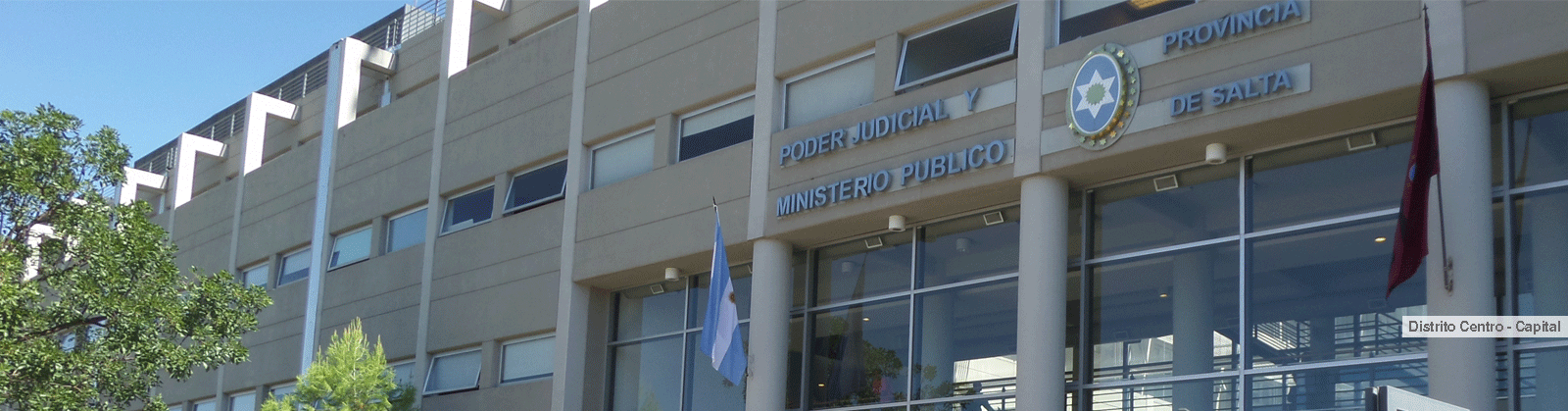
Distrito Centro - Capital

Av. Bolivia 4671 - CP:4408
Tel:
e-mail:prensaju@justiciasalta.gov.ar

Distrito Centro - Sede Cafayate

Vicario Toscano 276 - CP:4427
Tel:
e-mail: cmultifuero@justiciasalta.gov.ar

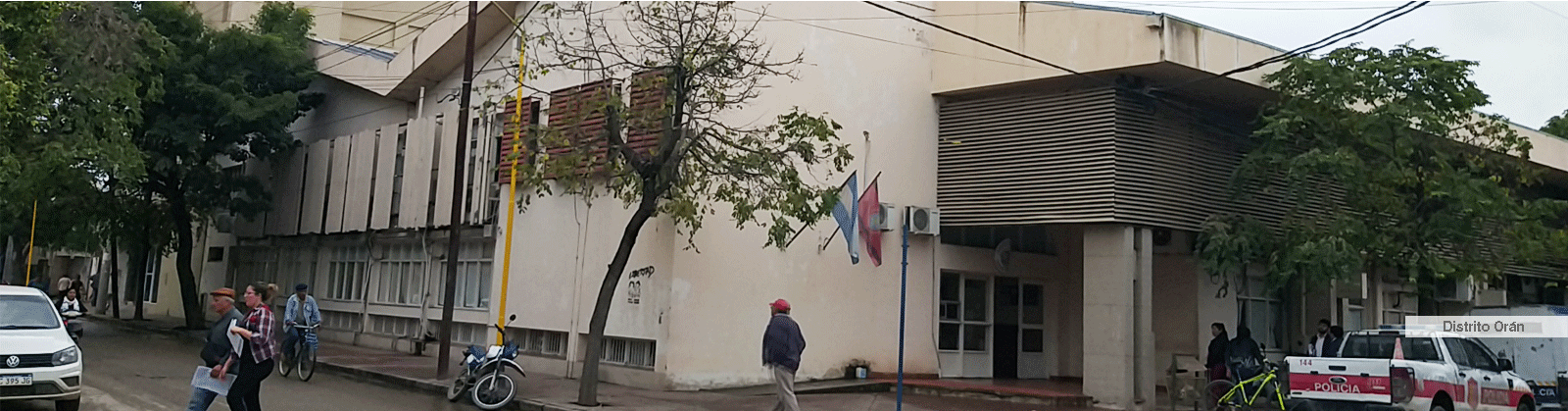
Distrito Orán

Egües y Lamadrid - CP:4530
Tel:
e-mail:oadmins@justiciasalta.gov.ar

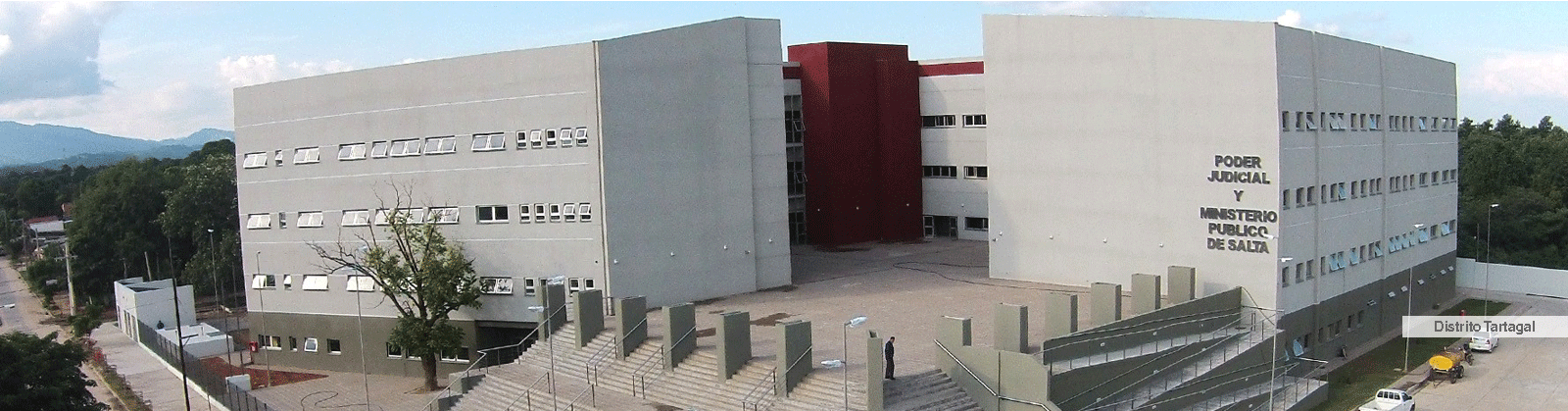
Distrito Tartagal

Av. Mosconi 1461 - CP:4560
Tel:
e-mail: tadmins@justiciasalta.gov.ar

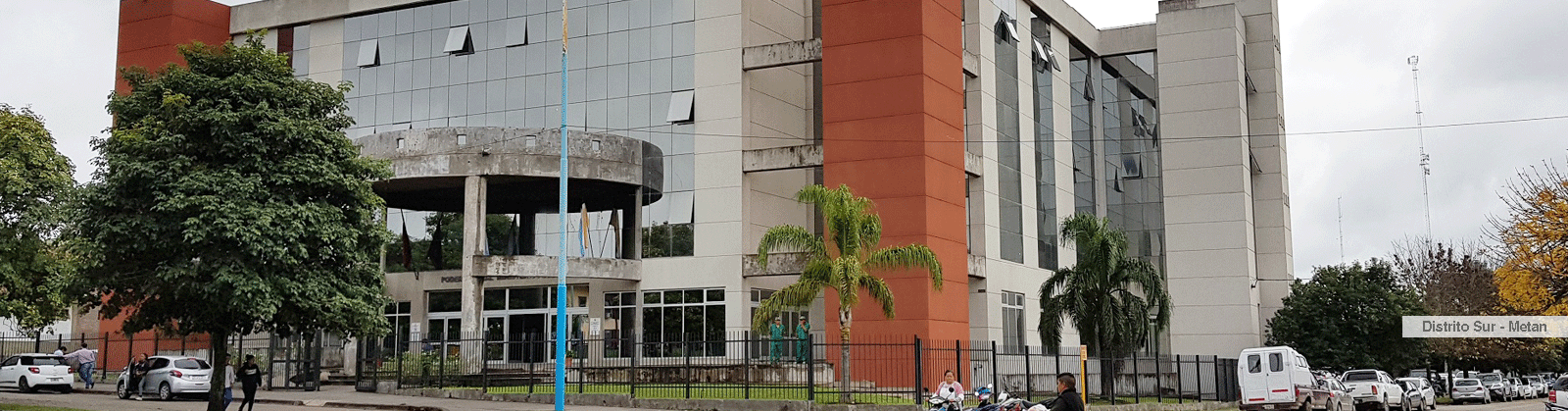
Distrito Sur - Metán

Mitre Oeste 30 - CP:4440
Tel:
e-mail: madmins@justiciasalta.gov.ar

Distrito Sur - Anta

Belgrano 210 - Esq. 9 de Julio (Joaquín V. González) - CP:4448
Tel:
e-mail: gcfl1@justiciasalta.gov.ar