


A perfect number is a positive integer that equals the sum of its positive (all divisors excluding the number itself). Smallest Examples : The first few are 6 ( ), 28 ( ), and 496 .
: Every even perfect number except 6 has a digital root of 1 (e.g., for 28: The Fibonacci Sequence Perfect Numbers And Fibonacci Sequences
: To date, only 51 perfect numbers have been discovered, all of which are even. It remains a famous unsolved problem whether any odd perfect numbers exist or if the set of perfect numbers is infinite. A perfect number is a positive integer that
Perfect numbers and the Fibonacci sequence are two of the most celebrated patterns in number theory. While they arise from different mathematical rules—one based on the sum of and the other on recursive addition —they share deep historical roots and overlapping connections to prime numbers. Perfect Numbers It remains a famous unsolved problem whether any
The Fibonacci sequence is an infinite series where each number is the sum of the two preceding ones, typically starting with .
: Every even perfect number is generated by the formula must be a Mersenne prime .
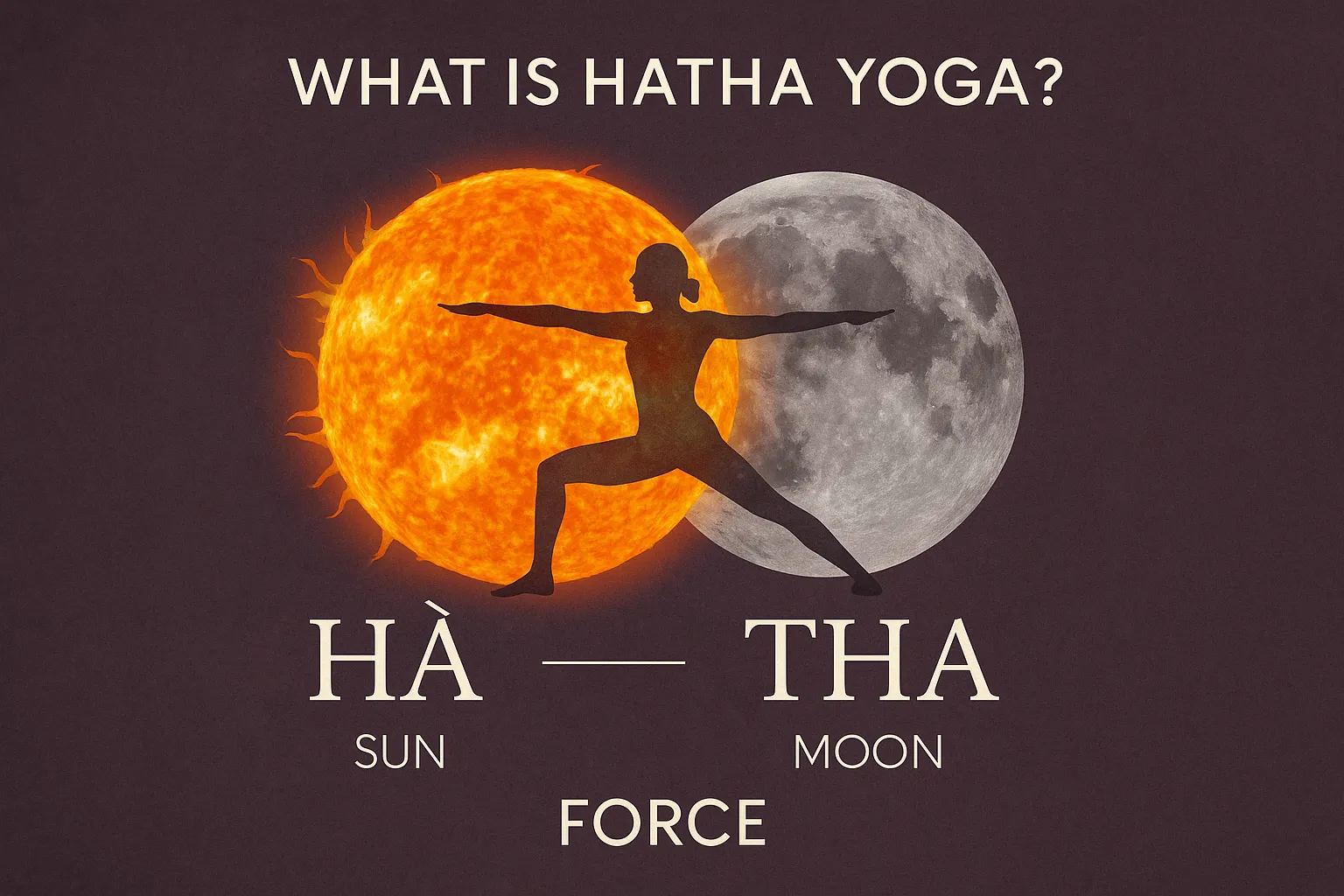
Discover the meaning of Hatha yoga, its ancient origins in India, and how this traditional practice balances opposing energies for holistic well-being.


You've heard of yin and yang. But have you heard of yin yang yoga? Explore what it is here and then try it out for yourself!

Did you know yoga improves brain health? Learn how yoga helps Alzheimer's and dementia patients live better, healthier lives.


© Copyright 2025 MyYogaTeacher Inc


