Insurance
Angela is a Senior Associate in our Sydney office with expertise in property insurance, D&O coverage and commercial litigation. Angela works across the Clyde & Co network for insurance clients in Australia, New Zealand and Europe.
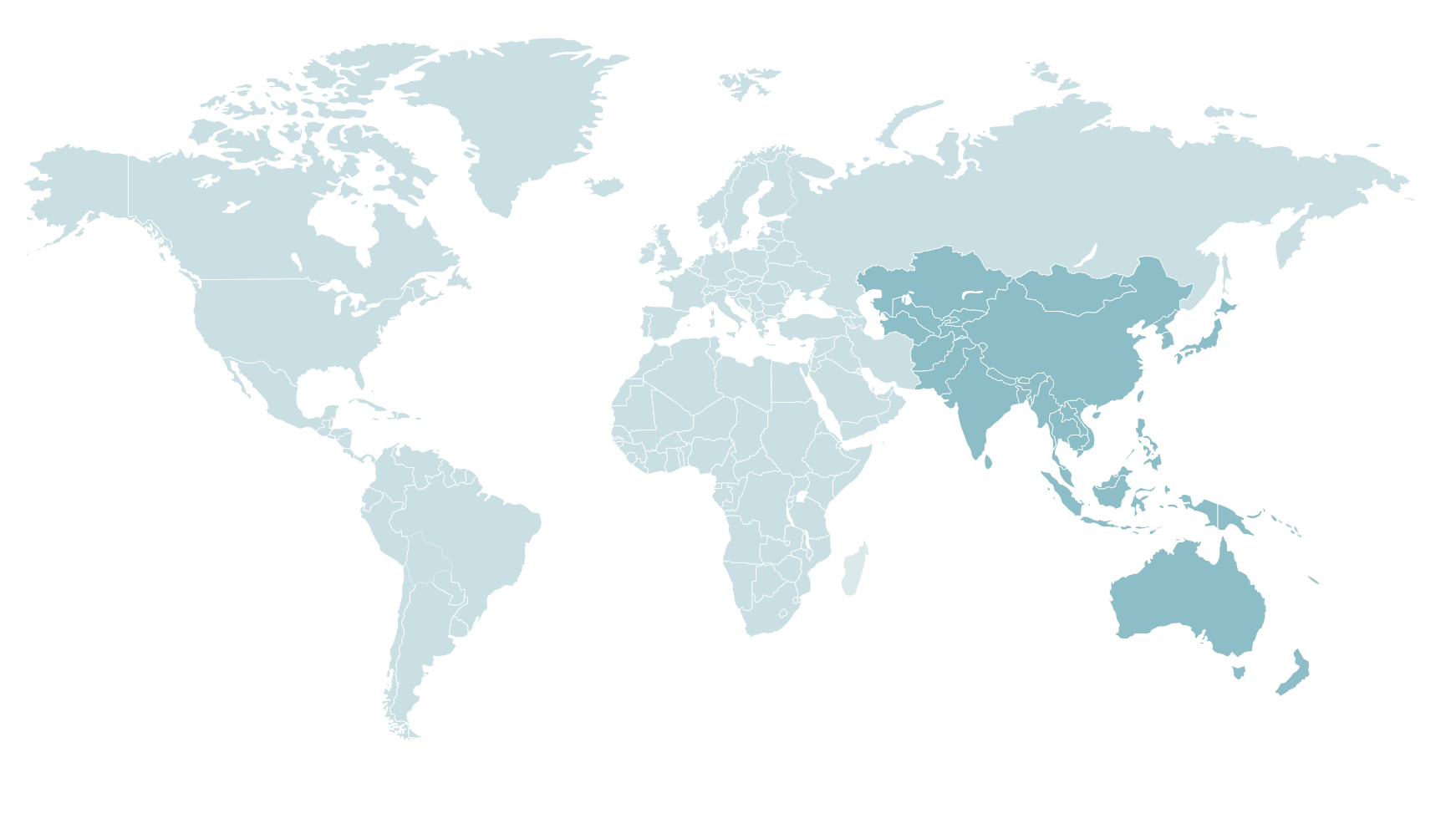
Regional experience
Full Profile
Angela is a Senior Associate in our Sydney office with expertise in property insurance, D&O coverage and commercial litigation. Angela has previously worked for an international insurer and has over 5 years experience in the insurance industry.
Angela's practice encompasses complex first party property claims with large markets of insurers and arising from natural disasters, including storms and landslides. Angela also has a background in complex claims involving non-disclosure issues and fraud, Mark IV and manuscript Industrial Special Risks policy wordings, contract works (contractors' all risk) policies and homeowners' policies as well as subrogated recovery actions and in coverage disputes.
Angela's experience also includes advising insurers as coverage counsel and in a defence capacity in class actions, claims involving breach of director duties, negligence and Australian Consumer Law. She has a background in advising on professional indemnity policies, as well as general commercial litigation in the Supreme Court of New South Wales and Federal Court of Australia.
Experience
- Advising on complex and large-scale property damage Claims arising from natural disasters
- Acting in defence of declassing of a class action in the Federal Court of Australia
- Advising insurers on coverage in relation to material damage and business interruption insurance claims
- Advising on multiple D&O class action proceedings arising from the Royal Commission into Financial Services
- Advising insurers in relation to first party property and business interruption coverage for SMEs
- Acting in a defence capacity in relation to defective reinstatement Claims
Qualifications
Bachelor of Arts - Psychology and Bachelor of Laws (Macquarie University)