Menu
Menu



Top Ranked Fencers
Epee
 Sera SONG
When and where did you begin this sport?
She began fencing at junior high school in Geumsan County, Republic of Korea.
Why this sport?
Her physical education teacher suggested the sport to her.
Learn more→ Gergely SIKLOSI
When and where did you begin this sport?
He began fencing at age seven. "I was doing it for fun until around 14 when I beat the Hungarian No. 1 at that time, and realised that this is serious, for real."
Why this sport?
"When I first tried [fencing], I felt like 'this is me'. Fencing is not only about physical or technical capabilities, it's also about mind games. It's not the fastest or the strongest who wins. It's the one who can put the whole cake together."
Learn more→Foil
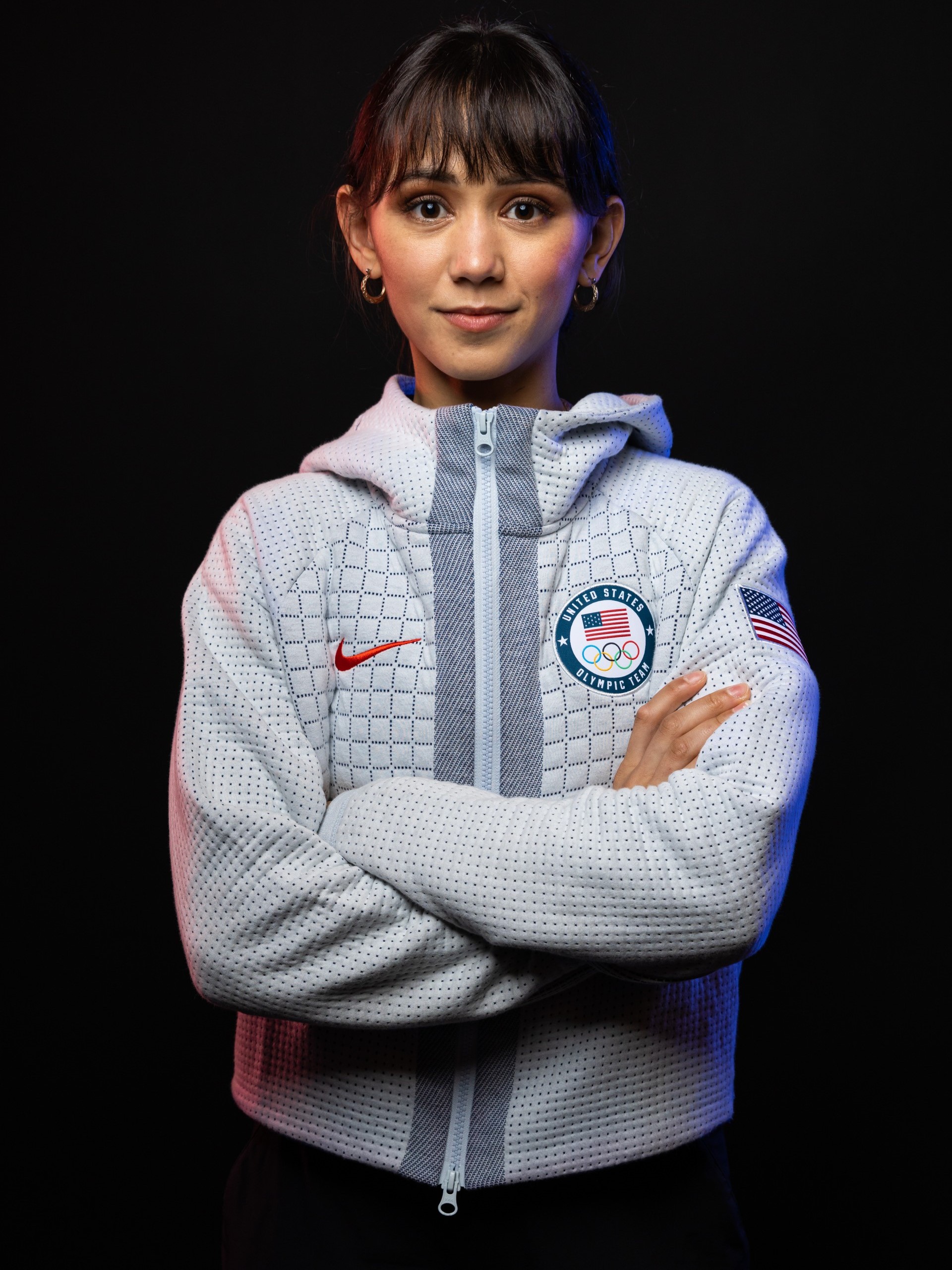 Lee KIEFER
When and where did you begin this sport?
She began fencing at age six after watching her father fence at a local competition. "My siblings and I thought the sport was strange and interesting-appearing, so my dad started teaching us the basics in our empty dining room and taking us to a club twice a week that was 1.5 hours away from where we lived."
Why this sport?
She and her brother and sister followed their father, Steve Kiefer, into the sport. "Growing up my dad decided that he wanted to take up fencing again. He hadn't picked up a foil in 10 or 15 years, and me and my siblings watched him compete at a local tournament. Then he asked if we wanted to try it, and we said yes. Twenty years later I'm still doing it."
Learn more→ Chun Yin Ryan CHOI
When and where did you begin this sport?
He began fencing in grade four of primary school.
Why this sport?
His mother forced him to go to a fencing lesson. "I didn't really want to go, but my mother made me because it was run by a friend of hers and they wanted more students. But, after the class, I loved it and wanted to continue."
Learn more→Sabre
 Misaki EMURA
When and where did you begin this sport?
She began fencing at age nine.
Why this sport?
She was encouraged to try the sport by her parents, and went to a fencing class where her father coached. She took up foil in grade three of primary school, but competed in sabre at a competition which had a prize of a jigsaw puzzle. She then switched to sabre before starting middle school.
Learn more→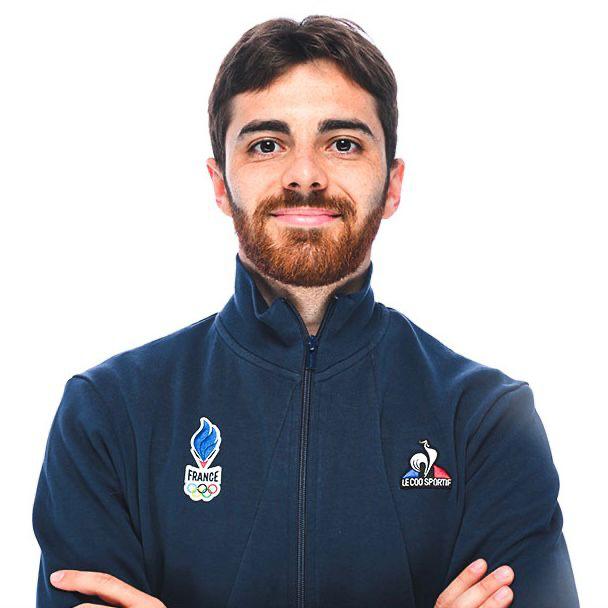 Jean-Philippe PATRICELearn more→
Results & Competitions
Latest Results
| Competition | Date | Weapon | Gender | Cat |
|---|---|---|---|---|
| Padua | 2026-03-08 | sabre | M | |
| Athènes | 2026-03-08 | sabre | F | |
| Cairo | 2026-03-08 | foil | F | |
| Cairo | 2026-03-08 | foil | M | |
| Padua | 2026-03-06 | sabre | M |
Upcoming Competitions
| Competition | Date | Weapon | Gender | Cat |
|---|---|---|---|---|
| Budapest | 2026-03-13 | epee | M | |
| Budapest | 2026-03-13 | epee | F | |
| Lima | 2026-03-20 | foil | M | |
| Lima | 2026-03-21 | foil | F | |
| Astana | 2026-03-26 | epee | M |
Carrie Ann Inaba’s legacy is one of transformation. She evolved from a background dancer into an Emmy-nominated host and authoritative judge, all while navigating the complexities of chronic illness. Her willingness to step away from work when necessary to prioritize her health—and her bravery in returning to the spotlight—serves as a powerful testament to her strength. Inaba continues to prove that one can live a vibrant, impactful life even while carrying the heavy, invisible burden of pain. Alternative Topics for "Carrie Ann"
A "badass activist" and attorney who fought for the rights of disabled parents [2, 4]. She helped create a new field of law to protect disabled people from having their children removed by the state and was a prominent figure in the Disability Visibility Project [6, 7]. carrie ann
Inaba first gained national attention as a "Fly Girl" on the sketch comedy series In Living Color . This foundation in high-energy, versatile dance led her to become a top-tier choreographer for shows like American Idol and So You Think You Can Dance [16]. On Dancing With the Stars , she earned a reputation as a meticulous and sometimes polarizing judge. She is famously known for her "no-lift" rule, strictly penalizing couples for even minor infractions to preserve the integrity of ballroom dance [36]. Despite occasional boos from live audiences for her tough critiques, she remains a cornerstone of the judging panel alongside Bruno Tonioli and Derek Hough [17, 34]. Carrie Ann Inaba’s legacy is one of transformation
Inaba's influence extends into digital media and philanthropy. Through her platform, Carrie Ann Conversations , she discusses holistic health, trauma recovery, and personal evolution [20]. She has openly shared her past experiences with childhood trauma, using her story to foster a "ripple effect" of healing and connection [20, 38]. Although she does not have biological children, she often shares her life with her mother and pets, emphasizing a life built on "radiant health" and emotional wellness [15, 37]. Inaba continues to prove that one can live
If your essay was intended to cover a different "Carrie Ann," here are key points for other notable figures:
Carrie Ann Inaba is a multifaceted artist who has redefined the role of a dancer and judge in contemporary television. Most recognized for her 30-season tenure as a judge on ABC's Dancing With the Stars , Inaba’s career spans choreography, acting, and philanthropy [16, 21]. Her journey is not only one of professional success but also of personal resilience, as she has become a vocal advocate for those living with chronic, "invisible" illnesses.
A contemporary writer on Medium who explores themes of grief, loss, and recovery after a heart attack and vision loss [14, 22].