Binarni_soubory_1.zip [2025]
Working with binary files in Python (or C++) often feels like a dark art compared to the simplicity of text files. This post breaks down the basics of handling raw data using the binarni_soubory_1.zip example set. 💾 Why Binary? Text files are for humans; binary files are for machines. : No overhead from encoding/decoding.
: Perfect for images, audio, and custom data structures. Speed : Direct memory-to-disk mapping. 🛠️ Essential Operations binarni_soubory_1.zip
struct.unpack('f', data) : Turns 4 bytes back into a floating-point number. 🔍 Breaking Down the Zip Contents Working with binary files in Python (or C++)
When you open a file with the b flag (like rb or wb ), you aren't reading strings—you're reading . 1. The "Bytes" Object Text files are for humans; binary files are for machines
: Why the order of bytes matters (Big-endian vs. Little-endian). 💡 Pro Tip
: Storing database-style entries without separators.
The files inside binarni_soubory_1.zip demonstrate three core concepts:
-
-
-
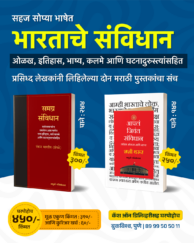
 जदुनाथ सरकार लिखित शिवरायांवरील दोन मराठी पुस्तके Original price was: ₹900.00.₹850.00Current price is: ₹850.00.
 -
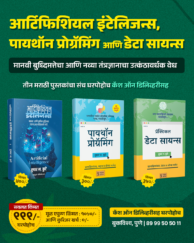 आर्टिफिशियल इंटेलिजन्स, डेटा सायन्स आणि पायथॉन प्रोग्रॅमिंग Original price was: ₹1,050.00.₹960.00Current price is: ₹960.00.
-